What are the insurance industry predictions for 2026?
The insurance sector is entering a period of significant change. Technology, regulation, and day-to-day operations are all shifting in ways that will affect how insurers work and compete. These predictions outline the key developments to watch in 2026 and what they mean for the industry. In this blog, Northdoor’s Stuart Favier shares his Insurance industry predictions for 2026, outlining the key developments to watch and what they mean for the industry.
Insurers everywhere are under pressure to improve how they use technology, meet regulatory requirements, and run their businesses more efficiently. How firms respond will have a major impact on their performance over the next few years. While many challenges are shared globally, the UK market also faces its own specific issues.

Blueprint Two delays mean firms must modernise on their own timelines
Blueprint Two has now slipped to 2028 at the earliest, with heritage systems supported until 2030. Many firms had planned their technology roadmaps around these milestones, and the delay has created uncertainty.
Insurers can no longer rely on the wider market programme to drive their own modernisation. Instead, they need to update systems now, with Blueprint Two in mind but not dictating every decision.
Many firms are already taking this approach, improving internal systems and processes today, while ensuring whatever they build can integrate with Blueprint Two when it eventually arrives. The priority is to deliver improvements that offer value straight away, such as better data management, automated processes, and more reliable customer support tools.
Those that move early, rather than wait for the market to change around them, will be better prepared when Blueprint Two finally goes live.
Data integration becomes central to everyday operations
Insurers are putting much more emphasis on joining up their systems and removing manual work. API integrations are no longer optional—they are becoming the standard way to connect underwriting, claims, and external partners.
The aim is simple: reduce re-keying, improve data accuracy, and speed up decision-making. Automation is becoming a necessity for firms that want to reduce operational friction and make better use of the information they already have.
More insurers are adopting API-first architectures so that internal teams and external partners can share data cleanly and consistently. This makes it easier to combine human expertise with tools like AI and analytics.
Artificial Intelligence moves out of pilot projects and into everyday use
AI adoption is expected to reach around 90% of the insurance workforce by 2026, a steep rise from today. AI is shifting from small test projects to practical tools that help with everyday tasks.
Common uses include extracting information from documents, standardising data, improving reporting, and supporting underwriting and pricing. Firms using AI report faster onboarding, more accurate data processing, and lower operating costs.
The focus has moved away from overly complex solutions toward simpler deployments that solve long-standing issues—particularly around unstructured data and manual workflows.
Challenges remain, including security, skills shortages, and cultural resistance. Strong oversight, clear governance, and realistic implementation plans remain key to getting value out of AI.
Sanctions management faces a major shift
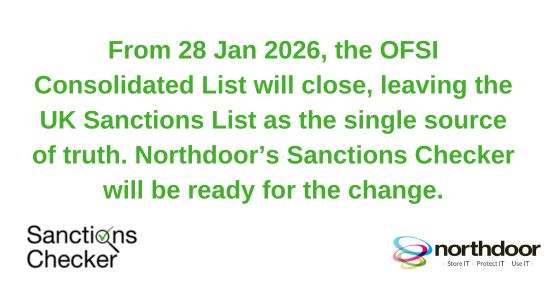
From January 2026, the UK will move to a single consolidated sanctions list, replacing the two sources used previously. Insurers need to ensure their screening providers are prepared for this change.
At the same time, UK/EU sanctions and US OFAC rules are becoming less aligned, making compliance more complicated. Firms need screening tools that can keep up with frequent updates across different jurisdictions.
Manual checks are no longer enough. Automated systems with real-time updates and regular testing are now essential. Insurers should reassess their current sanctions controls and confirm that third-party providers can handle rapidly changing regulatory demands.
Cybersecurity pressures grow after major 2025 incidents

The high profile breaches seen in 2025 highlighted weaknesses across all business sectors, especially in legacy systems and third-party dependencies. Without continued investment, similar incidents are likely in 2026.
A growing number of firms report security incidents linked to third parties. As a result, stronger vendor oversight, better access control, and more consistent patching are becoming core requirements. Boards and regulators are paying closer attention to cybersecurity than ever before. Policyholders are also facing more scrutiny, with insurers expecting clearer evidence of good security practices before providing cover.
AI-based security tools are proving effective in reducing breach costs, and investment in quantum-resistant technology is starting to grow—though still modestly.
Cyber risk is now a routine part of leadership discussions, not an occasional concern.
A practical roadmap for 2026
Insurers can’t afford to delay modernisation, even with market-wide programmes moving slowly. Improvements in data, AI, sanctions, and security all bring immediate benefits and reduce operational risk.
Key focus areas for 2026 include:
- Updating core systems to support modern integration needs
- Strengthening data usage to meet evolving requirements and competition
- Deploying AI in practical, high-value areas
- Enhancing cybersecurity, particularly around third-party risk
- Conducting regular audits and testing incident response plans
Companies that take action now will be better positioned for whatever the next few years bring.
Preparing for the year ahead
Technology updates, regulatory changes, and shifting customer expectations all require clear planning. Insurers should reassess their operational priorities, strengthen risk management, and invest in their people especially in AI skills and cybersecurity awareness.
By focusing on practical, achievable improvements, firms can build resilience and improve their competitive standing in 2026 and beyond.
Interested in strengthening your data, compliance, and cyber resilience?
👉 Talk to Northdoor to start the conversation about your 2026 technology priorities.